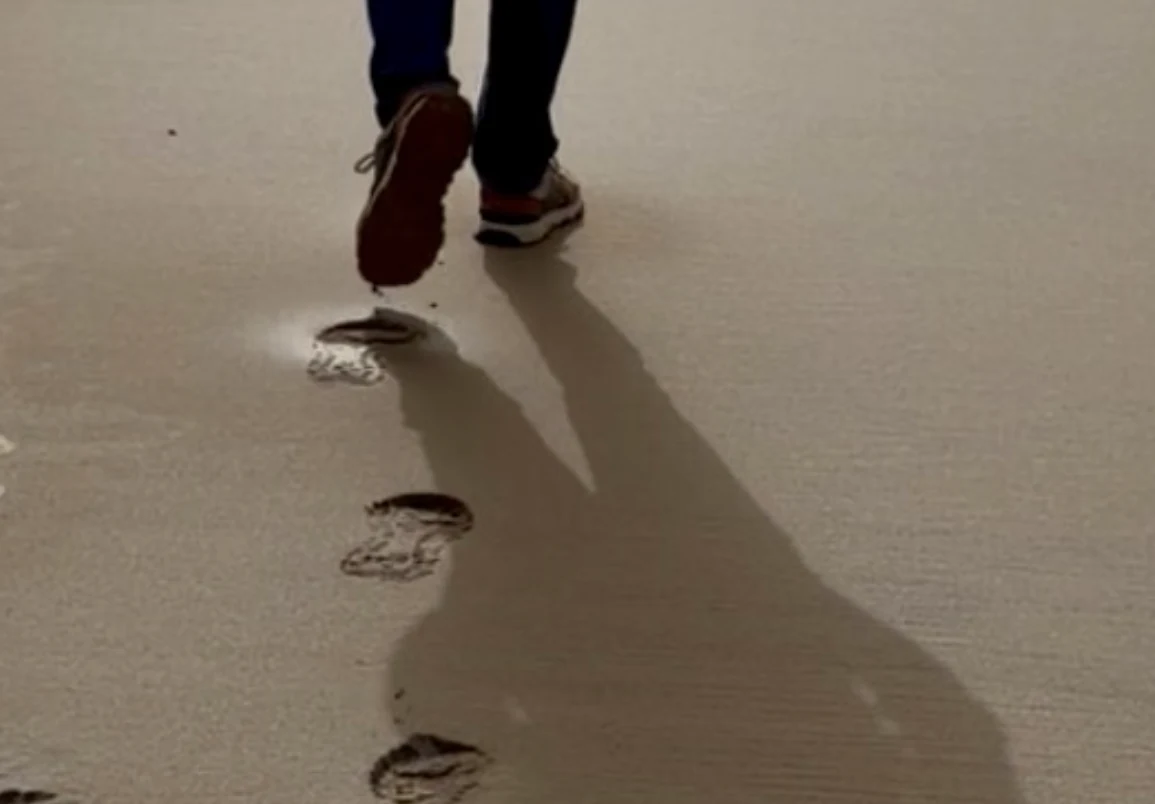
There’s an expression I picked up during the years I lived in Chile that, for some reason, has stayed with me ever since: “pasado, pisado.”
I’ve always liked this simple way of saying that we can’t change what has already happened and that, however much we dwell on it, the past will remain exactly where it is. Although, over the years, I’ve come to realise that leaving it behind isn’t always as easy as it sounds.
We all carry experiences that have shaped us in one way or another. Decisions we regret, opportunities we let slip away, projects that didn’t turn out as expected, or situations where we felt we hadn’t quite measured up. Some come back to mind occasionally, while others stay with us for years.
And not necessarily because what happened was particularly serious, but because of the conclusions we drew about ourselves from those experiences.
Imagine someone who, at a certain point in their career, took on a significant responsibility and things didn’t go well. Perhaps they lacked experience, perhaps the timing wasn’t right, or maybe circumstances beyond their control played a part. Yet they might have walked away with a much broader conclusion: “I’m not good enough to...”
Over time, that conclusion can become such a deeply rooted belief that they stop questioning it altogether. Years later, when a new professional opportunity comes along, they might not even consider taking it. Not because they lack the necessary abilities today, but because they’re still judging what they’re capable of through the lens of what happened back then.
What’s interesting is that we aren’t always aware of how much these beliefs influence our decisions. They’ve become so ingrained in the way we see ourselves that we mistake them for facts. “That’s just who I am”, “I’ve never been good at this”, “I tried that once and it didn’t work”... Seemingly harmless statements that may be closing doors before we even consider opening them.
It’s something I recognised in myself when I experienced coaching as a client many years ago, and something I now see in many of the people I work with as a coach.
One of the things I value most about coaching is the opportunity to help someone uncover beliefs they’ve taken for granted for years. Not to convince them they’re wrong or tell them how they should think, but to help them look at those beliefs from a different perspective and ask themselves whether they still hold true.
Because acknowledging that something went wrong and learning from it is one thing. Assuming that, because it happened once, it will inevitably happen again is something quite different. There’s a world of difference between the two, even if we don’t always realise it.
There’s another distinction I find equally important: recognising what is already beyond our control and what we can still do something about.
We can’t change what happened, however much we wish things had turned out differently. But we can reconsider how we interpret it, question the conclusions we’re still carrying with us, and decide what we want to do from here. Sometimes we spend so much energy going over things we can no longer change that we have very little left for what is still within our reach.
I believe that’s one of the greatest opportunities that comes from becoming aware of our own beliefs: regaining the freedom to choose how we act today, rather than allowing the conclusions we drew yesterday to make those decisions for us.
Of course, the past matters. Our experience is an extraordinary source of learning, and pretending we could simply cast it aside would make little sense. There are also events whose consequences stay with us and experiences that take time to understand and come to terms with. Not everything can be resolved by simply turning the page.
But perhaps we should occasionally ask ourselves how much of what we think we know about ourselves reflects who we are today, and how much comes from an interpretation we made years ago, under circumstances that may no longer exist.
I find that question particularly valuable because it challenges something we tend to take for granted: that knowing ourselves well means having a clear understanding of what we can and cannot do. Perhaps knowing ourselves should also mean being willing to question some of those certainties.
“Pasado, pisado” doesn’t mean forgetting the past.
It means understanding it, learning from it, and putting it where it belongs.
Because our past can help us understand who we are, but it shouldn’t decide for us who we can become.
Share your perspective
If this article sparked a thought, a disagreement or a personal reflection, I’d be glad to read it.
This first version of the blog keeps the dialogue simple: write your name and your comment below, and when you send it your email app will open so it reaches me directly.